

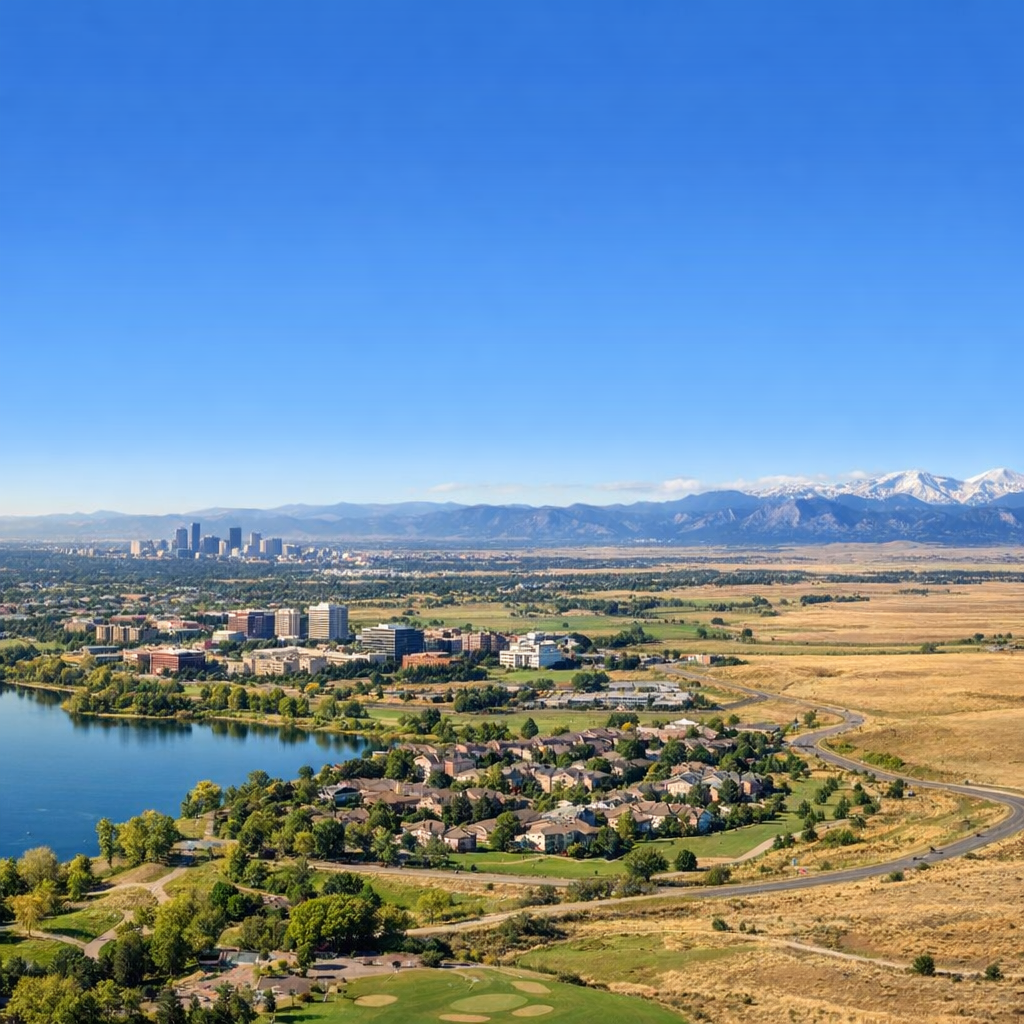
Aurora, Colorado, experiences a semi-arid climate characterized by distinct seasonal variations and moderate precipitation throughout the year. Understanding these patterns can help residents prepare for the weather and participate in local environmental initiatives.
Seasonal Weather Patterns
Spring
Spring in Aurora brings gradually warming temperatures and increased precipitation. Average high temperatures rise from 55.5°F (13.1°C) in March to 69.8°F (21°C) in May. This season also marks the beginning of the wetter period, with May receiving an average of 2.42 inches (61.47 mm) of precipitation. Residents should be prepared for occasional rain showers and the possibility of late-season snowstorms.
Summer
Summers are typically hot and mostly clear, with average high temperatures peaking at 88.5°F (31.4°C) in July. Despite the heat, humidity remains relatively low. However, afternoon thunderstorms are common, often bringing brief but intense rainfall. It’s advisable to stay hydrated and be cautious of sudden weather changes during outdoor activities.
Autumn
Autumn sees a gradual cooling, with average high temperatures decreasing from 78.5°F (25.8°C) in September to 65.1°F (18.4°C) in October. Precipitation levels also decline, making this a pleasant season for outdoor activities. The first frost typically occurs between October 1 and October 10, signaling the need to prepare gardens and outdoor plants for colder weather.
Winter
Winters are cold and snowy, with average low temperatures dropping to 19.3°F (-7.1°C) in December. Snowfall is common, and residents should be prepared for icy conditions. The last frost usually occurs between May 1 and May 10, indicating a relatively long frost season.
Environmental Initiatives
Aurora is committed to sustainability and environmental stewardship. The city has implemented several initiatives to conserve resources and promote a healthier environment:
- Water Conservation: Aurora Water leads in conservation efforts, with customers reducing water use by 36% since the early 2000s. The city has the lowest water use per person per day along the Front Range, currently at 115 gallons per capita per day.
- Recycling Programs: The city hosts recycling events and provides resources to help residents divert waste from landfills, promoting a culture of recycling and waste reduction.
- Energy Action Plan: Aurora has completed its Energy Action Plan through Xcel Energy’s Partners in Energy program, aiming to improve energy efficiency and support economic growth.
By understanding Aurora’s climate and participating in these initiatives, residents can contribute to a sustainable and resilient community.